Tanzania cancels Independence Day celebrations amid outrage over alleged killings
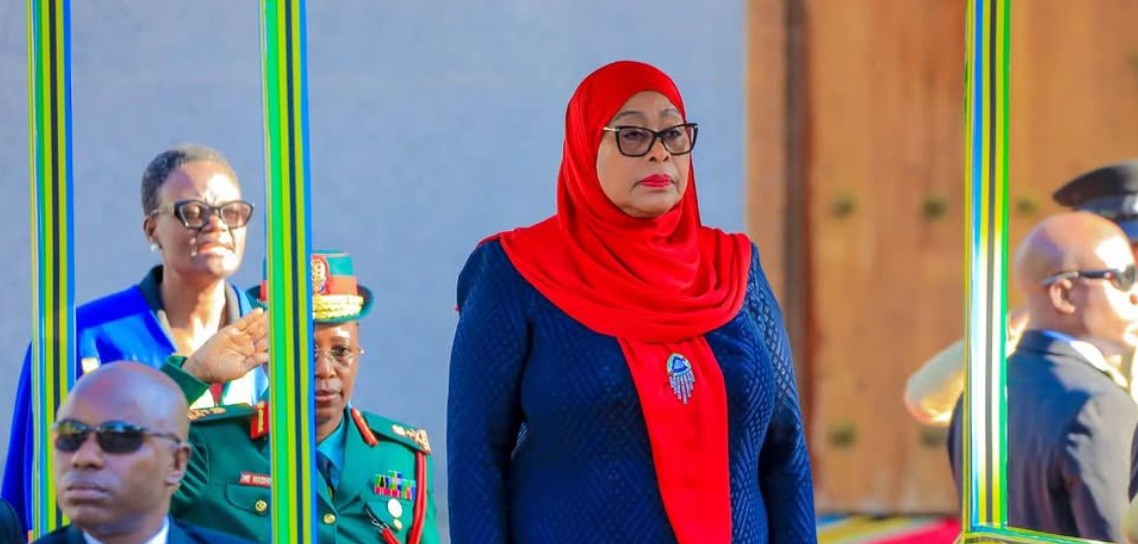
Prime Minister Mwigulu Nchemba said the budget allocated for festivities would instead be redirected to repair public infrastructure damaged during the unrest.
Tanzania has scrapped its Independence Day celebrations scheduled for December 9, as the government struggles to quell public outrage over alleged mass killings following last month's disputed national elections.
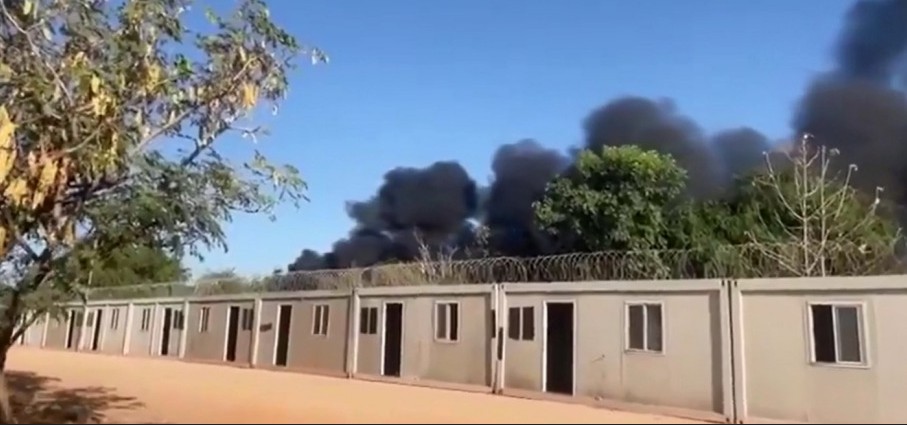
Prime Minister Mwigulu Nchemba said the budget allocated for festivities would instead be redirected to repair public infrastructure damaged during the unrest, urging the country to "come together and discuss the issues affecting the nation" and avoid a return to violence.
More To Read
- Tanzania’s CHADEMA party accuses prison authorities of alleged abuse of detainees
- Chadema demands transitional government, new constitution in Tanzania, calls October polls ‘illegal'
- Tanzania’s internet blackout challenged at East African Court of Justice
- Tanzania mourns as CCM MP Jenista Mhagama dies amid post-election tensions
- Canada reviews Tanzania partnership after deadly post-election crackdown
- Tanzania police issue fresh warning against nationwide demonstrations
The decision coincides with a planned nationwide protest date set by opposition parties and civil society groups.
Rights organisations and opposition figures allege hundreds, and possibly thousands, of demonstrators were shot dead after security forces opened fire on crowds protesting what they describe as a rigged October 29 vote.
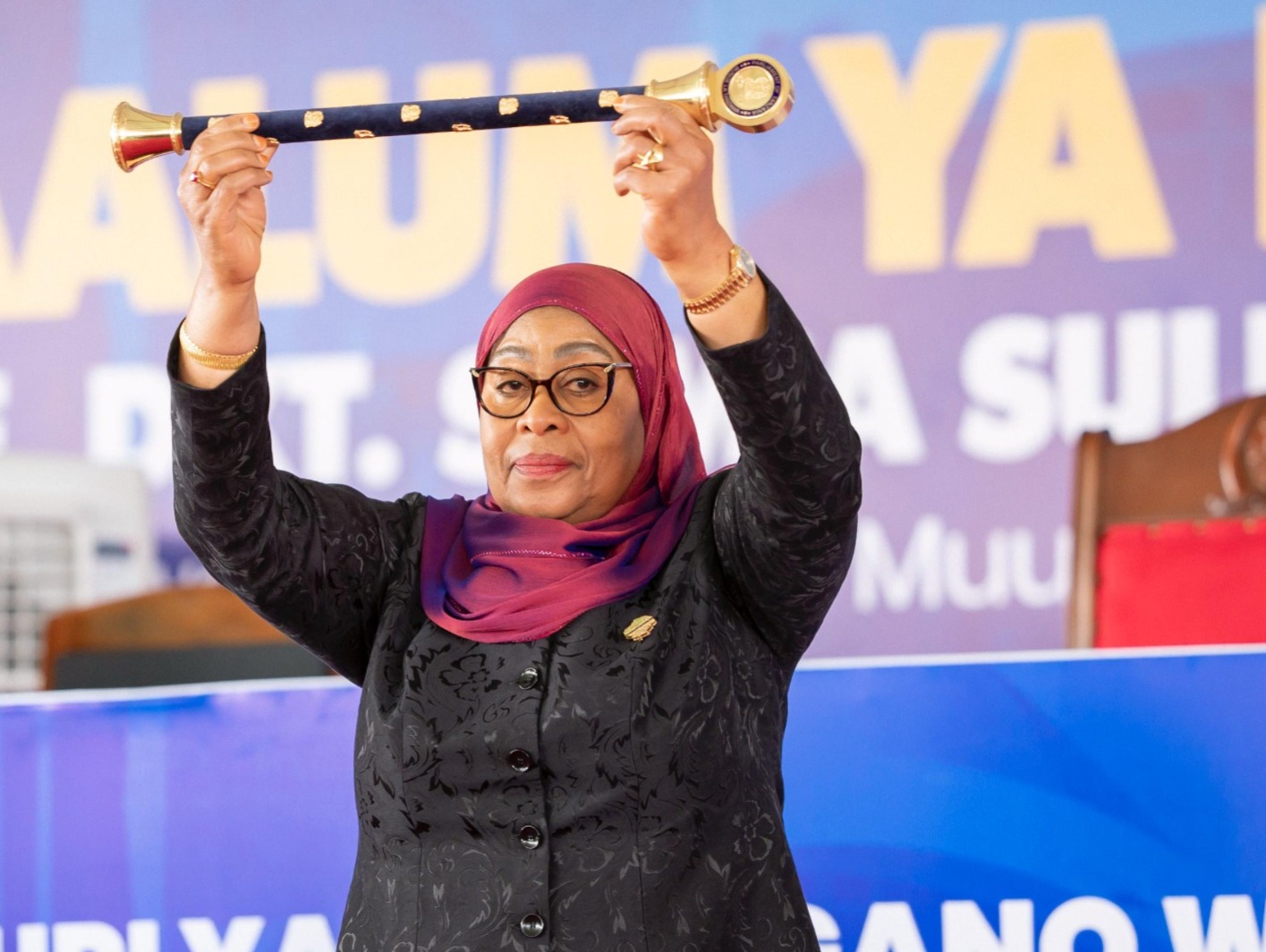
President Samia Suluhu Hassan was declared to have won 98 per cent of ballots cast, though several leading opposition candidates were jailed or disqualified in the lead-up to the poll, and observers reported widespread irregularities.
Despite the scale of the alleged bloodshed, the government has not released casualty figures.
A commission of inquiry has been appointed, though critics note it is dominated by loyalists of the ruling Chama Cha Mapinduzi (CCM) party.
Hundreds of young protestors were subsequently arrested and charged with treason - an offence that carries the death penalty. In a bid to ease tensions, the government has begun quietly dropping some cases.
On Monday, prosecutors withdrew charges against dozens of suspects in Dar es Salaam, Arusha and Mwanza, though many will remain under one-year supervision orders.
Whether these gestures will calm public anger or embolden those calling for accountability remains unclear.
Top Stories Today